Tools that explainthemselves.
Purpose-built. Each one started because someone close to us hit a problem and could not find a tool for it. They are honest about what they know, including the parts that use AI.
The Lab
Every tool here started with a problem we wanted solved.
Each one started because we, or someone close to us, hit a problem and could not find a tool that handled it well. So we built our own. The next tool will exist when the next problem does.
All projects →Vyzrly
BetaCollege admissions, clarified.
Vyzrly helps students understand where they stand in the college admissions process. Not with promises, but with honest intelligence derived from real data.
Glossem
BetaAll your product copy, in one place.
Glossem surfaces every string of user-facing copy across your codebase (button labels, error messages, onboarding text) and lets your team review and edit it without touching code.
USACO Tutor
AvailableLearn algorithms. Think clearly.
A practice environment for students learning competitive programming, built around the USACO problem set, with guided feedback that teaches rather than answers.
Break the Test
AvailablePractice the test you actually take.
A pattern-recognition trainer for the digital SAT, ACT, AP exams, and Common App essays. Five-minute rounds that name the traps quietly costing students points, on an item bank that does not run out.

ChessWarp
AvailableTrain the eye, not the move list.
A pattern-recognition trainer for chess players stuck between 1000 and 2000 Elo. Real positions, engine-verified tactics, and a curriculum built around teaching your eye to see threats before you calculate them.
Myeiyo
BetaThe thing they want, earned for real.
A chores-and-rewards app for families with teenagers. A kid points at something real they want, the family agrees on the work together, and when the work is done and approved the actual thing is earned. Not a coin, not a badge.
Tennis Tutor
Coming SoonTennis training that grows with the player.
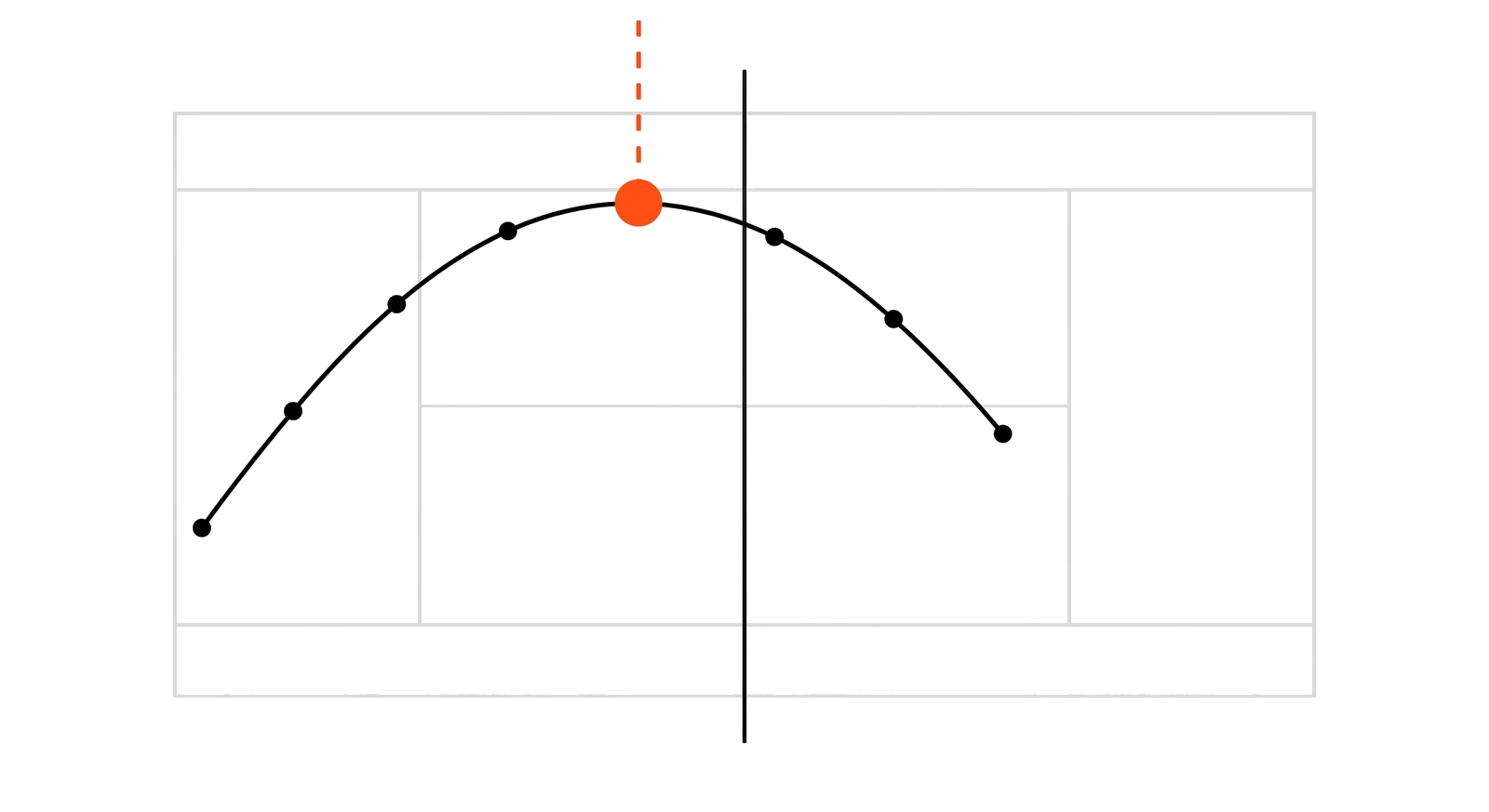
Combines tennis training with athletic workouts for kids as they grow. Computer-vision stroke analysis paired with age-appropriate strength and mobility work.
Manifesto
Most software is built for the company that ships it. We build for the person on the other side of the screen. The test is whether what they see is true.
Philosophy
We use what works. Sometimes that means AI.
We are not anti-AI and we are not evangelists for it. We use what genuinely helps. Sometimes that means sophisticated machine learning. Sometimes it means a careful algorithm. Sometimes it means a thoughtful human decision.
What we insist on, every time, is that using one of our tools feels clear, trustworthy, and made with care. The standard is what makes software worth using. The method underneath is just plumbing.
We say when we are guessing
If a result is uncertain, the tool says so where the result is, not in a footnote. If a model did the work, the screen that shows the answer says a model did the work.
We show the path on request
The route from input to output is visible whenever a user asks for it. Not by default, since most outputs do not need it. But always available to anyone who wants to check.
We cut it when it would be slop
If a feature would only sort of work, we drop it from the release and try again. We would rather ship three things we trust than ten we have to hedge about.
Library
All sources →The sources that changed a decision in something we shipped. Each one says which decision.
Study · 2023
GPT detectors are biased against non-native English writers
Settled that detection was the wrong thing to build against. Break the Test trains the judgment a short structured prompt is designed to surface, rather than trying to beat or evade a classifier that fails hardest on careful writing.
Reporting · 2026
AI Detectors Are Out, New Assessments Are In
Confirmed the format shift was institutional rather than speculative, which is why our admissions writing describes what replaced detection instead of arguing about whether detection works.
Standard · 1998, 2008
Occupational noise exposure limits
The sound meter reports dose against both rather than picking the friendlier one. Choosing a single standard would have produced a lower number and a less useful answer.
Connect